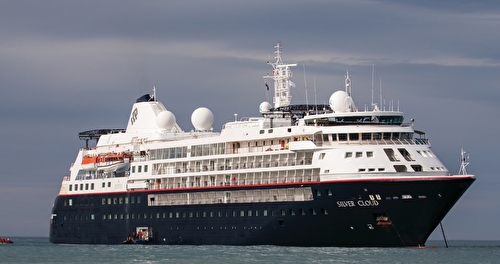
Silversea · Silver Cloud · E4270909016
Perth to Darwin
16 nights · 9 Sept 2027 · From Fremantle
Per person · 2 adults sharing · cruise-only supplier snapshot. Saved fares are for two adults sharing. Kat & Simon will confirm price and availability after your request.
YOUR NEXT CHAPTER AT SEA
New horizons. Unforgettable days.
Explore Fremantle, Abrolhos Islands, Australia, Cape Peron, Shark Bay aboard Silver Cloud, with time to discover the destinations and enjoy life at sea.
by Kat & Simon
YOUR ITINERARY
A journey worth looking forward to.
Explore each stop along the way. Ports and times are supplied by the cruise operator and may change.
Day 1 · 9 Sept 2027
Fremantle
Depart 18:00
Coming in at number seven on Lonely Planet’s list of best places to live, Fremantle has finally begun to shake off the shadow of neighbouring big brother Perth. With just 20 kilometres separating the… Read more
Coming in at number seven on Lonely Planet’s list of best places to live, Fremantle has finally begun to shake off the shadow of neighbouring big brother Perth. With just 20 kilometres separating the two cities, Perth, with its happy hippie vibe has long been the big pull for visitors to the region. But Fremantle’s colourful past and bright future gives Perth as good as it gets. The coastal city has undergone a complete revamp since the America’s Cup thrust Fremantle into the spotlight in 1987. Over AUS$ 1,3 billion has been poured into revamping the city, and the fruits of the city’s labour are ripe for picking. Investment in the arts has brought Fremantle to the fore of thriving urban culture, while generous grants for small businesses has led to groovy live-music rooms, hipster bars, boutique hotels, left-field bookshops, craft-beer breweries, Indian Ocean seafood shacks amid the buskers and beaches. If that doesn’t not sound like your glass of beer, we guarantee a stroll along the wooden riverside walkway will change your mind. The city also enjoys another, rather different status. Fremantle was one of Australia’s penal cities, vestiges of which can still be found in Fremantle Prison. Almost 10,000 convicts were condemned to life imprisonment here between 1850 and 1868, but the prison remained in use until 1991. Today, the memorable sandstone building is a UNESCO World Heritage Site and at just 15 minutes from port is well worth a visit. Just don’t forget your get out of jail free card.
Day 2 · 10 Sept 2027
Abrolhos Islands, Australia
Arrive 11:00 · Depart 18:30
Three island groups make up the Houtman Abrolhos Islands. The Wallabi, Easter and Pelsaert groups stretch across 100 kilometers from north to south with a total of 122 islands. Named Houtman after… Read more
Three island groups make up the Houtman Abrolhos Islands. The Wallabi, Easter and Pelsaert groups stretch across 100 kilometers from north to south with a total of 122 islands. Named Houtman after the Dutch captain who first described them in 1619, the Portuguese word “Abrolhos” refers to the reefs and dangers they posed to unsuspecting seafarers –sometimes taken to mean “open your eyes”. The Houtman Abrolhos are known for cray fishing and pearling activities, as well as for their bird and marine life. The islands and their surrounding reef communities form one of Western Australia’s unique marine areas of tropical and temperate sea life.
Day 3 · 11 Sept 2027
Abrolhos Islands, Australia
Arrive 06:30 · Depart 13:30
Three island groups make up the Houtman Abrolhos Islands. The Wallabi, Easter and Pelsaert groups stretch across 100 kilometers from north to south with a total of 122 islands. Named Houtman after… Read more
Three island groups make up the Houtman Abrolhos Islands. The Wallabi, Easter and Pelsaert groups stretch across 100 kilometers from north to south with a total of 122 islands. Named Houtman after the Dutch captain who first described them in 1619, the Portuguese word “Abrolhos” refers to the reefs and dangers they posed to unsuspecting seafarers –sometimes taken to mean “open your eyes”. The Houtman Abrolhos are known for cray fishing and pearling activities, as well as for their bird and marine life. The islands and their surrounding reef communities form one of Western Australia’s unique marine areas of tropical and temperate sea life.
Day 4 · 12 Sept 2027
Cape Peron, Shark Bay
Arrive 07:00 · Depart 13:00
Day 5 · 13 Sept 2027
North Muiron Island
Arrive 13:00 · Depart 18:30
Day 6 · 14 Sept 2027
Dampier Archipelago, Australia
Arrive 07:00 · Depart 18:30
Day 7 · 15 Sept 2027
Dampier Archipelago, Australia
Arrive 07:00 · Depart 18:30
Day 8 · 16 Sept 2027
Time to unwind at sea
Enjoy the journey and make the most of your time aboard Silver Cloud.
Day 9 · 17 Sept 2027
Broome (Kimberley)
Arrive 07:30 · Depart 18:30
Gateway to the oldest and most elusive of all Australia’s nine regions, Broome is where your Kimberley adventure begins. The ancient landscape has long held travellers spellbound: The Kimberley is… Read more
Gateway to the oldest and most elusive of all Australia’s nine regions, Broome is where your Kimberley adventure begins. The ancient landscape has long held travellers spellbound: The Kimberley is three time larger than England but has a population of just 35,000, is over 65,000 years old and is home to 2,000 km of coastline. Almost impenetrable, incredibly remote, the red baked earth, prolific wildlife, majestic canyons and swimming holes are the stuff of Australian wilderness dreams. English explorer William Dampier was the first explorer to set foot in Broome in 1668. However, the land had long been used as a trading route between east and west Kimberley for Aboriginal families. These semi-nomadic tribes respected strict unwritten rules regarding ownership of the land. The Yawuru people remain the Native Title holders for the township of Broome to this day. Broome itself has over 84 Aboriginal communities affiliated to it, 78 of which are considered remote. The city grew from its nascent pearling industry of the late 19th century. Pearl diving was dangerous in the waters surrounding Broome and for many years divers were limited to Aboriginal slaves, skin divers who faced cyclones, sharks, crocodiles, ear and chest infections in order to bring up as many pearl shells as possible for their masters. Natural pearls were rare and extremely valuable, and when found, were placed in a locked box. At the peak of its industry, around 1914, Broome was responsible for 80% of the world’s pearl trade.
Day 10 · 18 Sept 2027
Buccaneer Archipelago
Arrive 07:00 · Depart 18:30
Set off the coast of Western Australia, the Buccaneer Archipelago is one of the Kimberley’s finest secrets. The Archipelago, 50 k2 (19 sq mi), is made up of around 800 islands and protect the… Read more
Set off the coast of Western Australia, the Buccaneer Archipelago is one of the Kimberley’s finest secrets. The Archipelago, 50 k2 (19 sq mi), is made up of around 800 islands and protect the mainland from the huge 12 metre tides and astonishing speed of the Yampi (or, in traditional Aborigine, “Yampee”) Sound. The speed and power of the water many not make for pleasant bathing, but do however result in fantastic natural phenomena. One fine example is the horizontal reversible waterfall in Talbot Bay. The tidal pull is responsible for the “reversible” nature of the falls, however, this also hides narrow gaps between the islands, making for treacherous sailing conditions. Isolated graves of sailors and divers are testimony to the danger. William Dampier sighted the Archipelago in 1688 but it would not be until 1821 that the Archipelago would become known as Buccaneer (a term coined by Captain Phillip Parker King) "in commemoration of William Dampier’s visit to this part of the coast ". Commander John Lort Stokes also noted the area in his 1838 record. Enterprising individuals were initially attracted to the Buccaneer Archipelago in the 1800s due to the superior pearling as well as the rich iron ore deposits. Pearling conducted by luggers in the 1880s was concentrated in Cygnet Bay, Cascade Bay, Cone Bay and Strickland Bay. More recently, mining operators established open-cut mines on Koolan Island on the east side of the Sound. Some of the richest iron ore in the world is extracted here to this day.
Day 11 · 19 Sept 2027
Buccaneer Archipelago
Arrive 06:30 · Depart 18:30
Set off the coast of Western Australia, the Buccaneer Archipelago is one of the Kimberley’s finest secrets. The Archipelago, 50 k2 (19 sq mi), is made up of around 800 islands and protect the… Read more
Set off the coast of Western Australia, the Buccaneer Archipelago is one of the Kimberley’s finest secrets. The Archipelago, 50 k2 (19 sq mi), is made up of around 800 islands and protect the mainland from the huge 12 metre tides and astonishing speed of the Yampi (or, in traditional Aborigine, “Yampee”) Sound. The speed and power of the water many not make for pleasant bathing, but do however result in fantastic natural phenomena. One fine example is the horizontal reversible waterfall in Talbot Bay. The tidal pull is responsible for the “reversible” nature of the falls, however, this also hides narrow gaps between the islands, making for treacherous sailing conditions. Isolated graves of sailors and divers are testimony to the danger. William Dampier sighted the Archipelago in 1688 but it would not be until 1821 that the Archipelago would become known as Buccaneer (a term coined by Captain Phillip Parker King) "in commemoration of William Dampier’s visit to this part of the coast ". Commander John Lort Stokes also noted the area in his 1838 record. Enterprising individuals were initially attracted to the Buccaneer Archipelago in the 1800s due to the superior pearling as well as the rich iron ore deposits. Pearling conducted by luggers in the 1880s was concentrated in Cygnet Bay, Cascade Bay, Cone Bay and Strickland Bay. More recently, mining operators established open-cut mines on Koolan Island on the east side of the Sound. Some of the richest iron ore in the world is extracted here to this day.
Day 12 · 20 Sept 2027
Hunter River
Arrive 06:30 · Depart 18:00
The Hunter River is home to an immense mangrove system surrounded by soaring red sandstone cliffs. Narrow mangrove channels shelter numerous bird species, mudskippers, fiddler crabs and the infamous… Read more
The Hunter River is home to an immense mangrove system surrounded by soaring red sandstone cliffs. Narrow mangrove channels shelter numerous bird species, mudskippers, fiddler crabs and the infamous saltwater crocodile; the most aggressive crocodile species known to man. Naturalist Island at the mouth of the river has a stunning stretch of sandy beach that makes a perfect landing site for small helicopters that can pick up visitors wishing to explore some of the Kimberley’s vast interior. View less The highlight inland is the famous Mitchell Falls where four tiers of waterfalls plunge into deep pools that flow out into the mighty Mitchell River. The headwaters of the falls are cool and a dip in the fresh water is a welcome reprieve from the heat of the heartland.
Day 13 · 21 Sept 2027
Ashmore Reef, Australia
Arrive 12:30 · Depart 18:00
The Territory of Ashmore and Cartier Islands is an uninhabited external territory of Australia consisting of four low-lying tropical islands in two separate reefs, and the 12-nautical-mile territorial sea generated by the islands
Day 14 · 22 Sept 2027
Swift Bay
Arrive 12:30 · Depart 18:00
Day 15 · 23 Sept 2027
Koolama Bay
Arrive 06:30 · Depart 17:00
Koolama Bay is found at the mouth of the King George River. Named after the ship that had been beached here after a Japanese aerial attack during World War II, Koolama Bay is the starting point for a… Read more
Koolama Bay is found at the mouth of the King George River. Named after the ship that had been beached here after a Japanese aerial attack during World War II, Koolama Bay is the starting point for a Zodiac cruise to reach the King George Falls, one of the Kimberley’s most magnificent natural wonders. At 260 feet (80 m), the twin cascades are among the highest in Australia.
Day 16 · 24 Sept 2027
Darwin, Australia
Arrive 13:00
"Australia's capital of the north is a uniquely tropical city, and a historically isolated outpost of this vast, diverse country. Reaching up towards the equator, a full 2,000 miles from Sydney and… Read more
"Australia's capital of the north is a uniquely tropical city, and a historically isolated outpost of this vast, diverse country. Reaching up towards the equator, a full 2,000 miles from Sydney and Melbourne, the city was named in honour of Charles Darwin by the British settlers who established a frontier outpost here. With a unique history, beautiful islands nearby, and a palette of sizzling Pacific flavours, colourful Darwin is an enchanting and exotic Australian destination. Crocodiles patrol the jungled waterways and tropical rainforests around Australia's gateway to the Top End. Explore via airboat to look down on the veiny waterways of the mist-laced Kakadu National Park. The sounds of chattering birdlife and the gentle splash of fountains and waterfalls will fill your ears in George Brown Darwin Botanic Gardens. Soak it all in, before kicking back and relaxing with a picnic and a crackling barbecue. The sunshine and famous tropical pink sunsets mean many visitors naturally gravitate to the city's soft sands to relax at spots like pretty Mindil Beach, as evening approaches. The adjoining market is filled with souvenirs and crafts stands and is the perfect great place to enjoy some fiery Asian flavours. Stroll the stalls, grab some food, and crack open an ice-frosted beer as the sunset show begins. It may be remote, but Darwin found itself on the front line during the Pacific War, as the Japanese air force unloaded their bombs onto the city in 1942. This relaxed unassuming city has a deeply resilient backbone, however, and you can explore the museums to learn more of the war's impact on Darwin, as well as the devastating effects of one of Australia's worst natural disasters, Cyclone Tracy in 1973."
Day 17 · 25 Sept 2027
Darwin, Australia
"Australia's capital of the north is a uniquely tropical city, and a historically isolated outpost of this vast, diverse country. Reaching up towards the equator, a full 2,000 miles from Sydney and… Read more
"Australia's capital of the north is a uniquely tropical city, and a historically isolated outpost of this vast, diverse country. Reaching up towards the equator, a full 2,000 miles from Sydney and Melbourne, the city was named in honour of Charles Darwin by the British settlers who established a frontier outpost here. With a unique history, beautiful islands nearby, and a palette of sizzling Pacific flavours, colourful Darwin is an enchanting and exotic Australian destination. Crocodiles patrol the jungled waterways and tropical rainforests around Australia's gateway to the Top End. Explore via airboat to look down on the veiny waterways of the mist-laced Kakadu National Park. The sounds of chattering birdlife and the gentle splash of fountains and waterfalls will fill your ears in George Brown Darwin Botanic Gardens. Soak it all in, before kicking back and relaxing with a picnic and a crackling barbecue. The sunshine and famous tropical pink sunsets mean many visitors naturally gravitate to the city's soft sands to relax at spots like pretty Mindil Beach, as evening approaches. The adjoining market is filled with souvenirs and crafts stands and is the perfect great place to enjoy some fiery Asian flavours. Stroll the stalls, grab some food, and crack open an ice-frosted beer as the sunset show begins. It may be remote, but Darwin found itself on the front line during the Pacific War, as the Japanese air force unloaded their bombs onto the city in 1942. This relaxed unassuming city has a deeply resilient backbone, however, and you can explore the museums to learn more of the war's impact on Darwin, as well as the devastating effects of one of Australia's worst natural disasters, Cyclone Tracy in 1973."
YOUR SHIP
Meet Silver Cloud
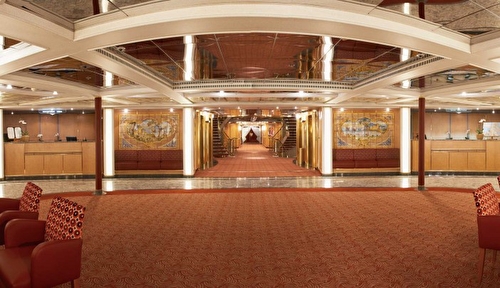
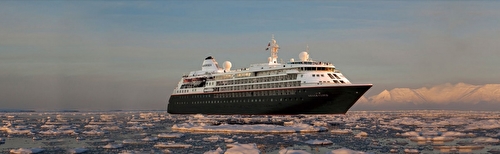
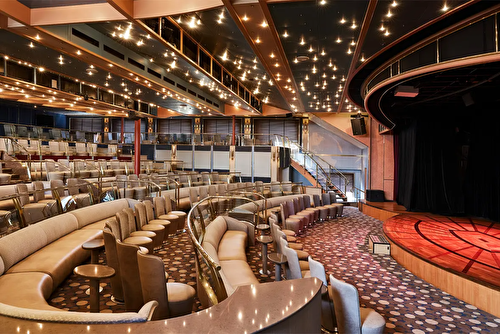
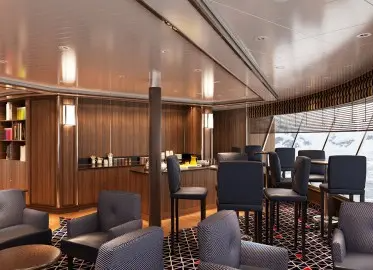
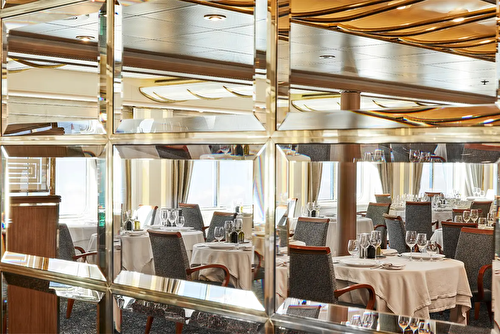
After extensive refurbishment, Silver Cloud is the most spacious and comfortable ice class vessel in expedition cruising. Her large suites, her destination itineraries and her unparalleled service make her truly special. Her four dining options will tantalise your taste buds and as 80% of her suites include a veranda, watching a breaching whale or a few cavorting penguins has never been so personal. A limited number of guests in polar waters, mean that Silver Cloud has the highest space to guest and crew to guest ratios in expedition cruising. With her 18 zodiacs, 10 kayaks, possibilities are almost limitless with ship-wide simultaneous explo
Explore the ship & deck plansA CLOSER LOOK
Picture your days on board.
PERSONAL SERVICE, EVERY STEP
Your holiday, personally checked.
Kat & Simon will personally check your booking request and reconfirm the details with you. No payment is required to send your request.
Talk to us · 0800 0662 694